001
Lemori
An art e-commerce platform turning digital work into physical pieces.
LemoriMade to be seen
00:00 / 00:00
Great art shouldn’t stay hidden on a screen.
Lemori connects selected photographers, designers, and visual artists with people looking for artwork for their spaces, then transforms that work into physical acrylic pieces designed to be displayed.
Customers can discover curated art or upload something of their own, configure the physical piece, and order it online.
- E-commerce
- Art Marketplace
- Artist Platform
- Product Customization
- UX/UI Design
- Full-Stack Development
- Brand Strategy
- Physical Product
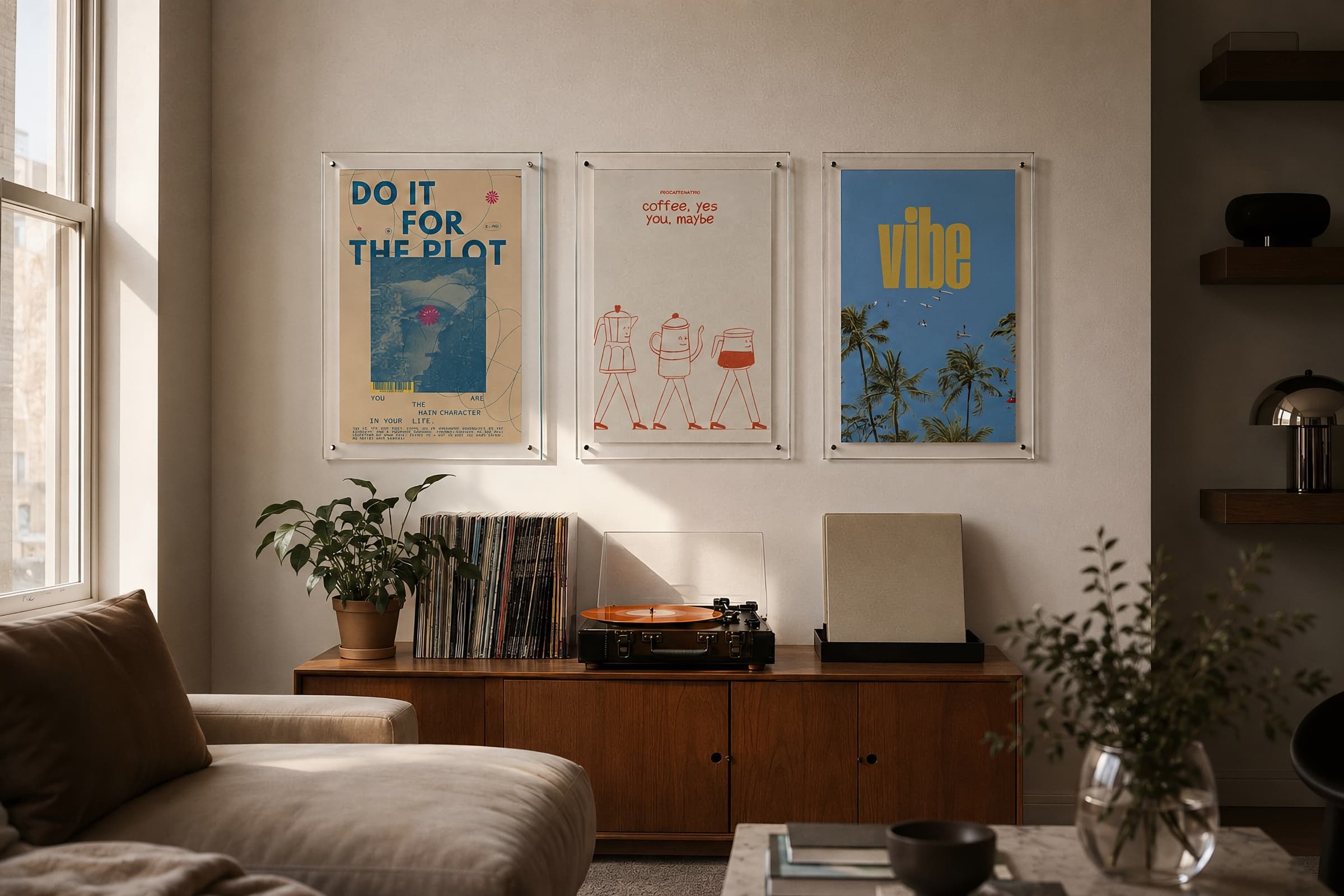
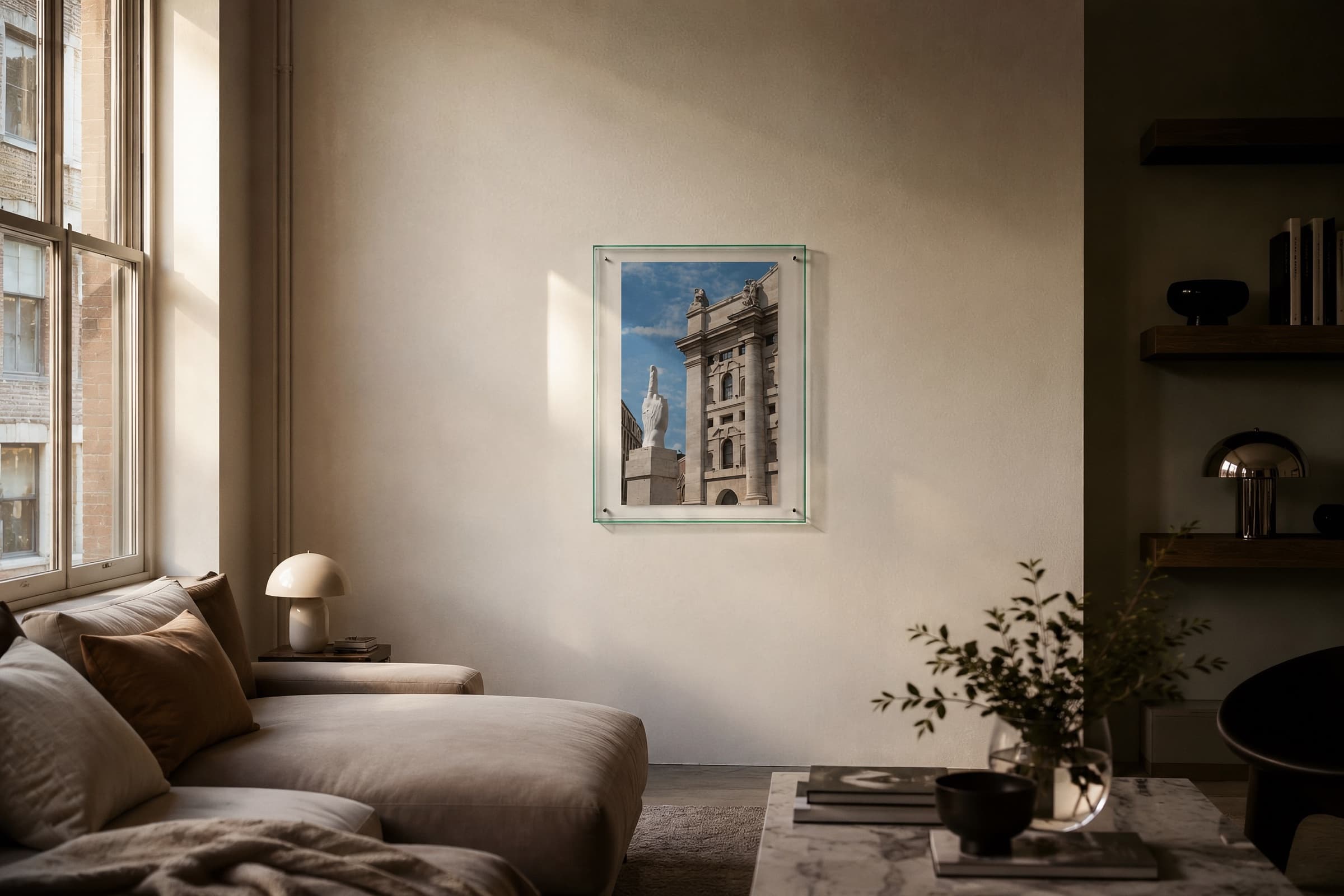
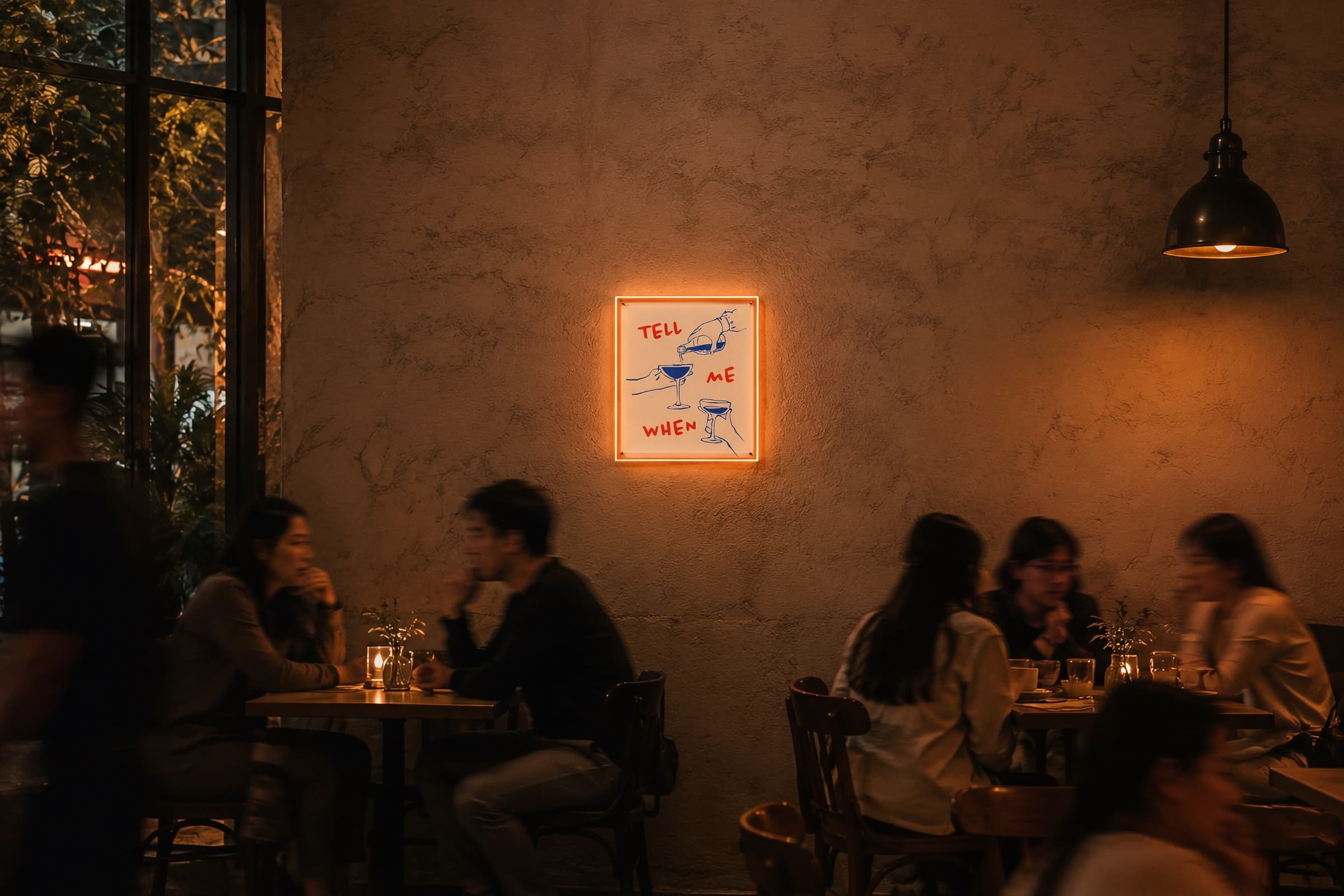
Product
Lemori — Made to be seen.
My role
Founder, Product Designer & Full-Stack Developer. End-to-end ownership across brand, product, UX/UI, commerce, architecture, development, artists, production, packaging, and physical direction.
Platform
A curated art e-commerce platform connecting artists, artwork, and physical spaces.
Product model
Discover art → Choose your format → Order → Produced → Delivered → Displayed. Or upload your own art, customize, order, and display.
001 · Overview
From digital artwork to physical object.
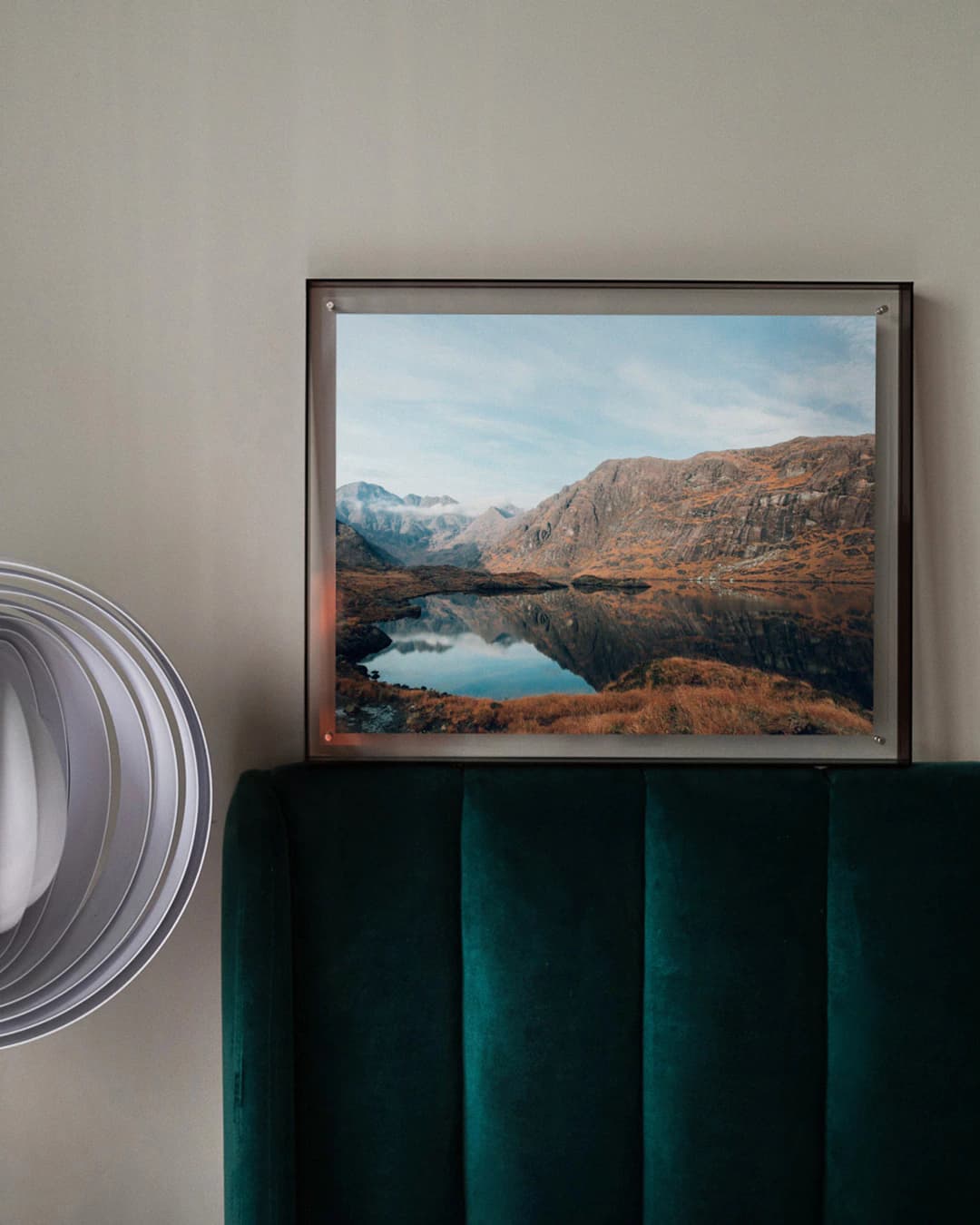
We discover more art than ever—then scroll, like, save, and forget. Lemori asks what happens when something you usually scroll past becomes part of your space.
The artwork begins digitally. Lemori makes it physical.
002 · Business context
Buying art still feels harder than buying almost anything else online.
Traditional galleries can feel inaccessible. Mass-market decoration feels generic. Independent artists are easy to discover online, but buying a physical version of their work is rarely simple.
Lemori fills the missing path from artist to artwork, space, and eye. The platform turns appreciation into ownership.
003 · The idea
Art is everywhere. Ownership isn’t.
The internet solved discovery, but not what happens next. Lemori sits between independent creators and customers who want something more personal than mass-produced decoration.
Curated enough to feel intentional. Accessible enough to buy online.
004 · The marketplace
Two ways into Lemori.
Discover selected photography, typography, illustration, and abstract work—or bring an image that already matters to you.
One platform, two starting points: discover something worth seeing, or bring something worth seeing.
00:00 / 00:00
005 · Curation
Less marketplace noise. More taste.
Lemori is curated rather than open. Customers explore a collection with a point of view, the artist stays visible, and each work keeps its identity.
006 · The artists
The person behind the image matters.
Artists exist through their identity, work, and collection instead of disappearing behind inventory. The artist creates, Lemori produces and sells, and the customer displays.
00:00 / 00:00
007 · Key decisions
Artwork first. Object second.
001
Sell artwork, not frames
The acrylic construction elevates the artwork rather than becoming the brand. Artwork first. Object second.
002
Make yellow recognizable
The signature yellow lives across interfaces, frames, packaging, signage, and campaigns.
003
Curate instead of aggregate
Selection and taste matter more than an enormous generic catalogue.
004
Give artists a commercial path
Creators focus on the work while Lemori handles product, production, commerce, and logistics.
005
Let customers create their own piece
The upload studio turns Lemori from a store into a creation tool.
006
Design digital and physical together
The interface, acrylic, mounting, packaging, unboxing, and wall are one product experience.
008 · Shopping experience
Art shouldn’t be complicated to buy.
Discover. Connect. Configure. Visualize. Purchase. Receive. Display.
The final interaction doesn’t happen on the website. It happens when the piece enters the room.
00:00 / 00:00
009 · Upload your own
Your camera roll can contain art too.
Upload, preview, choose a size, configure, and order. This second journey opens Lemori to travel photographs, personal images, designs, and work created by the customer.
00:00 / 00:00
010 · Product design
The artwork should dominate the interface.
Strong typography, generous whitespace, large artwork, clear grids, minimal interface noise, and carefully placed Lemori yellow create a system between gallery, editorial, and e-commerce.
011 · Physical object
The frame shouldn’t imprison the artwork.
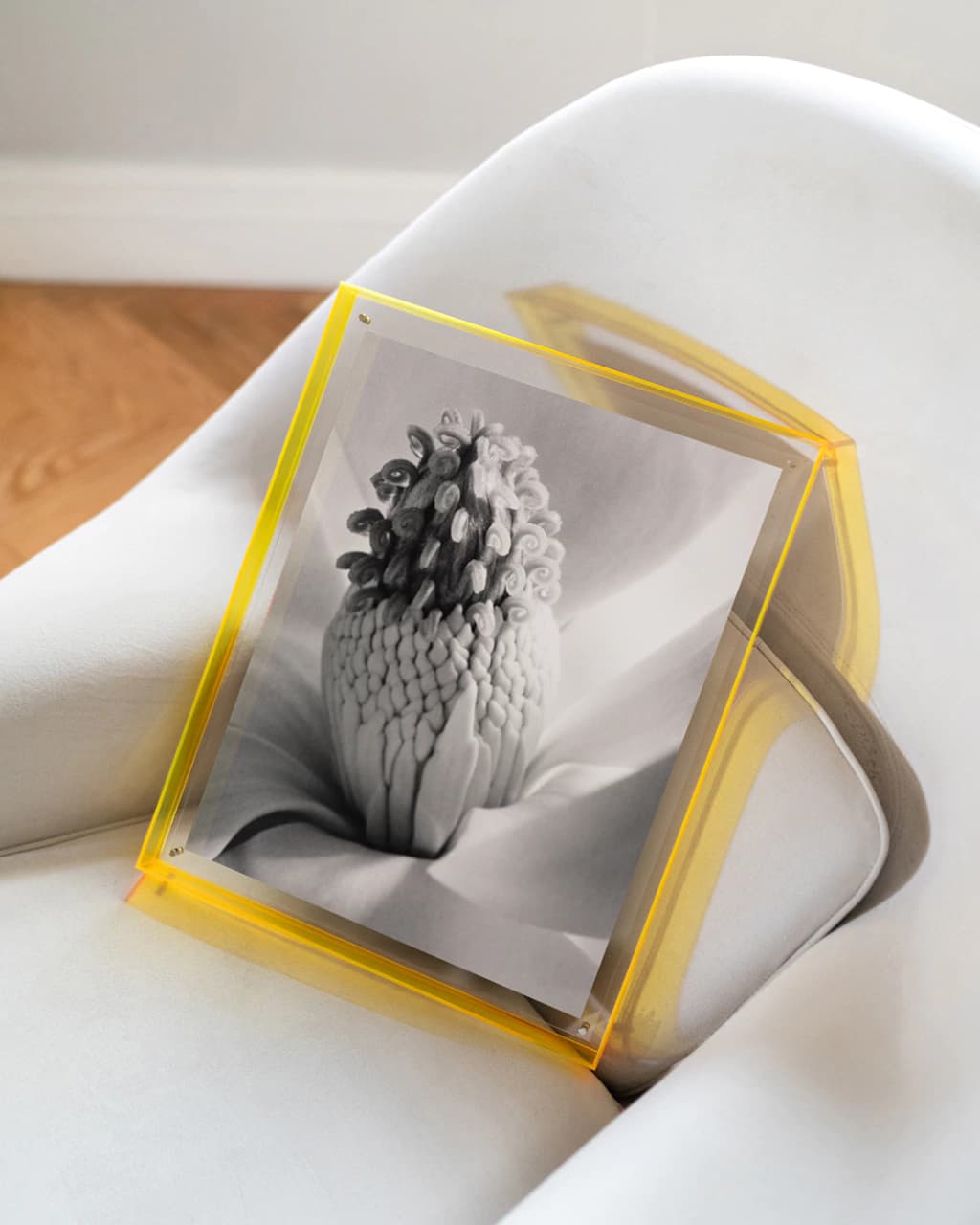
The acrylic construction creates a contemporary floating quality. It should feel less like buying a picture frame and more like buying the piece itself.
00:00 / 00:00
012 · The eye
Artist → Artwork → Lemori → Space → Eye
The eye symbol represents the final destination of every artwork: someone seeing it. The logo doesn’t represent the frame. It represents the reason the frame exists.
013 · From screen to space
Digital discovery needed a physical conclusion.
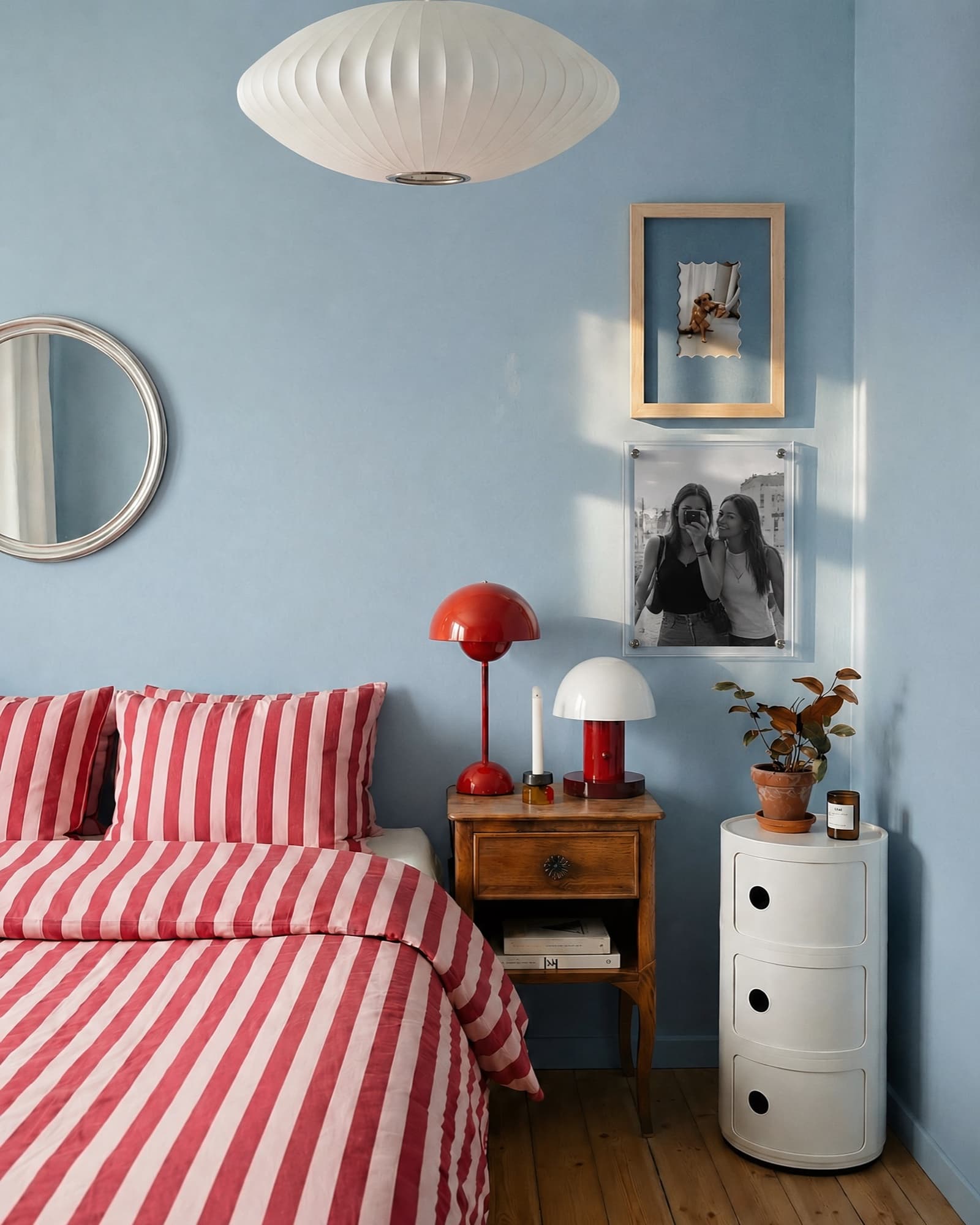
A photograph discovered online becomes something hanging in an apartment. The e-commerce platform is the bridge: screen, object, space.
014 · What was delivered
A complete art commerce ecosystem.
002
Artist Experience
003
Artwork Pages
004
Product Configuration
005
Upload Studio
006
E-commerce
007
Physical Product
008
Packaging
009
Artist Revenue Model
015 · Complete journey
From artist to wall.
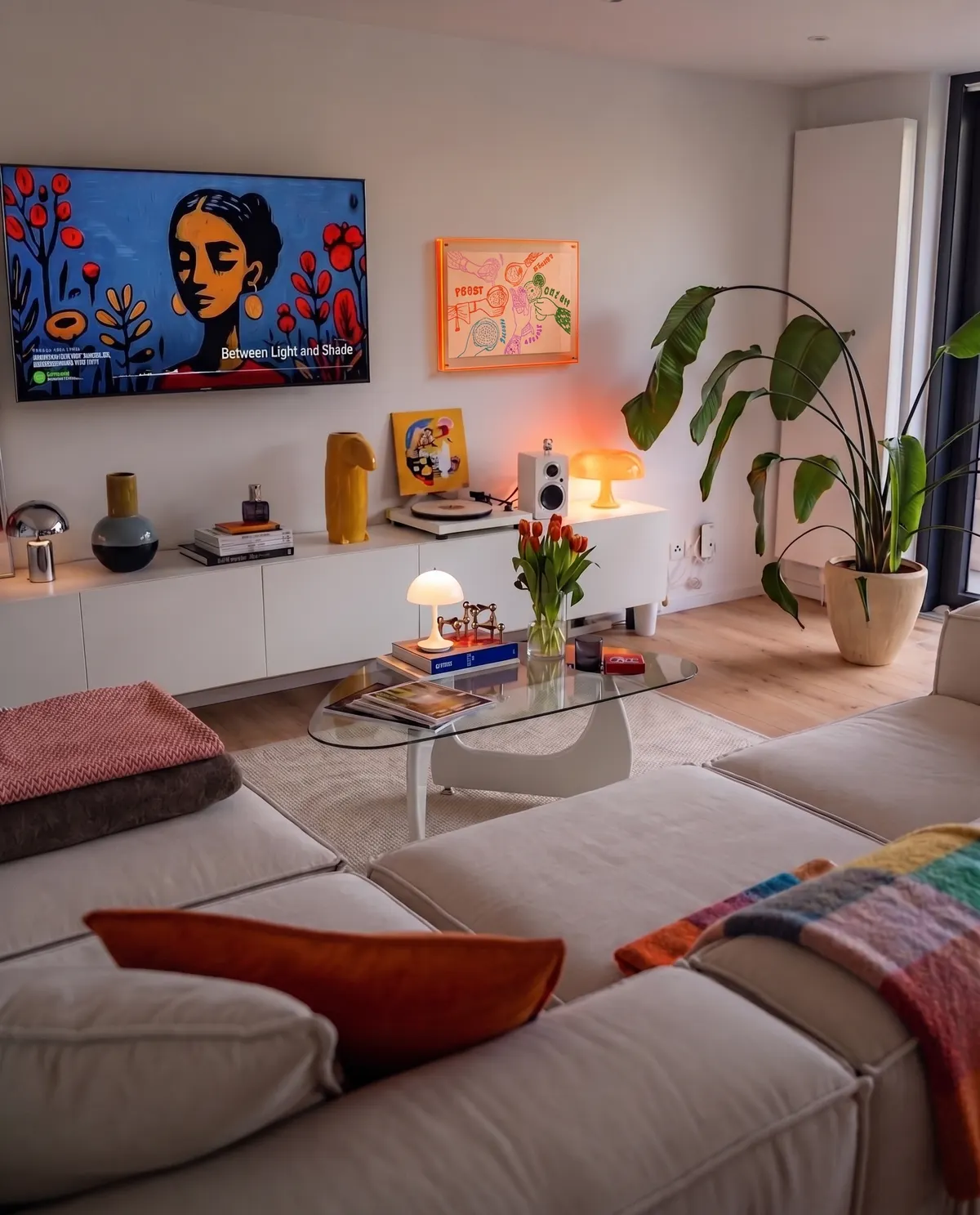
An artist creates something. Someone discovers it, stops, looks again, imagines it somewhere, chooses a size, and orders it. Lemori produces and delivers it. The room changes.
The artwork stops being content. It becomes part of a place.
016 · Brand philosophy
Some things deserve more than a scroll.
The goal isn’t to create more things to scroll through. It’s to find the things worth taking off the screen.
Made to be seen.