001
Empty the box
Find the photographs worth keeping and upload them directly from a phone or computer.
Turning forgotten family photos into books that outlive us.
Ktabi creates a bridge between both generations. Families upload old photographs, restore damaged and faded images using AI, organize them into a story, personalize a physical book, and receive the finished archive at home.
Product
Ktabi — L’atelier d’archives familiales.
My role
Founder, Product Designer & Full-Stack Developer. End-to-end ownership across concept, brand, product, UX/UI, AI, engineering, print workflow, and physical experience.
Platform
A web experience for restoring, organizing, and transforming family photographs into physical archival books.
Tools
001 · Overview
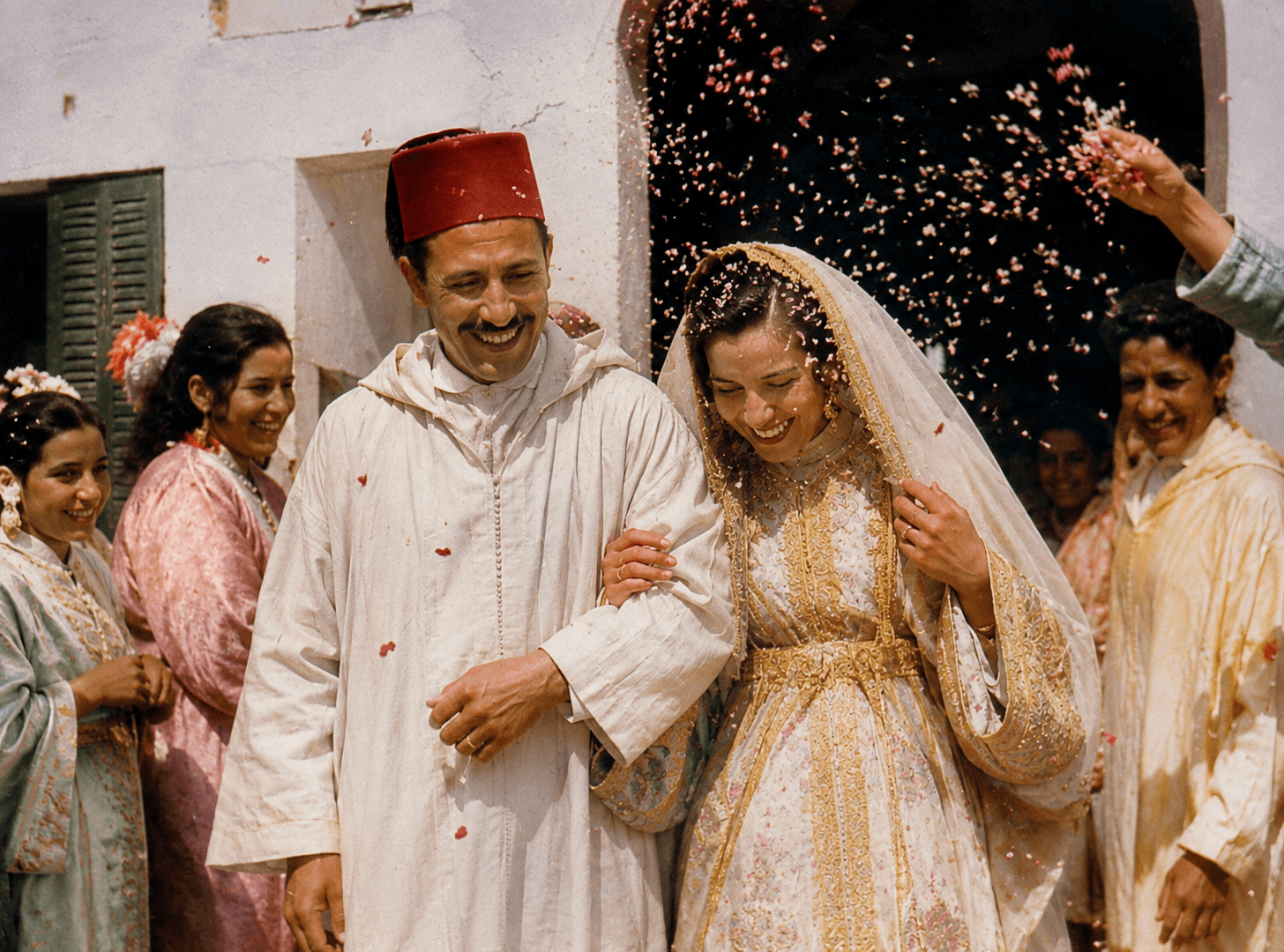
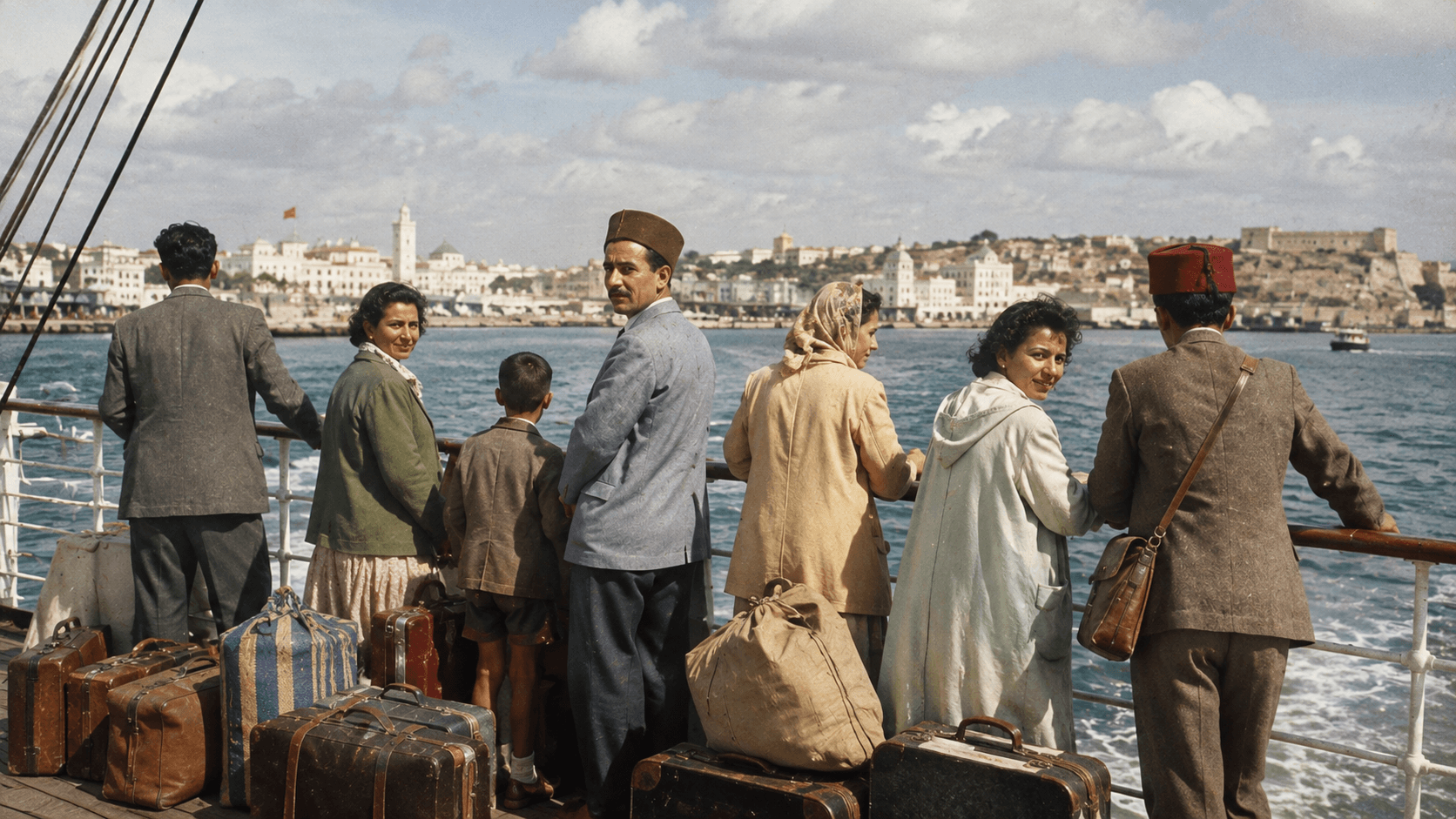
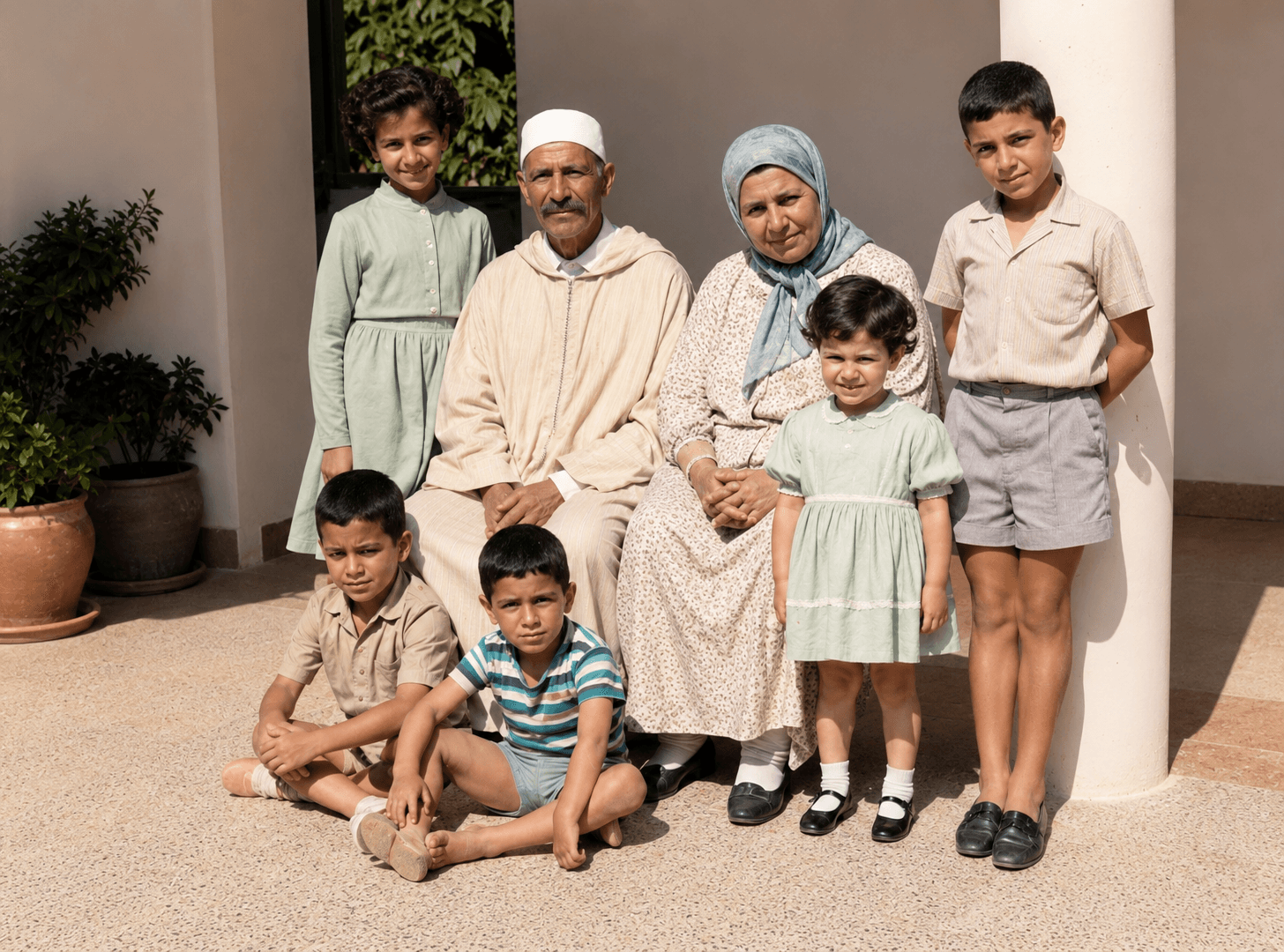
Almost every family has the same box: weddings, childhoods, holidays, grandparents, homes that no longer exist, and people we don’t photograph anymore.
The photographs survived, but the stories around them were slowly disappearing. Ktabi gives those photographs a second life through one guided journey: find, upload, restore, tell the story, create the book, and receive it at home.
002 · Business context
Restoration traditionally requires technical knowledge or professional help. Book creation requires another tool. Printing requires another service. The process is fragmented enough that most people simply postpone it.
Ktabi turns preservation into a complete product. The restored image isn’t the destination. The family archive is.
003 · The insight
Nobody looks at a photograph of their grandmother and thinks about image processing. They think: That’s her. I had never seen this photo. Look how young they were.
Ktabi is not positioned as an AI tool. AI is simply the mechanism that makes preservation accessible. The product is about memory.
004 · Product vision
001
Find the photographs worth keeping and upload them directly from a phone or computer.
002
Repair age-related damage while preserving the identity and character of the original image.
003
Preserve names, places, dates, relationships, and the details somebody else may forget.
004
Turn restored photographs and stories into a personalized hardcover family book.
005 · Key decisions
001
No prompts, technical controls, or terminology. Upload, restore, compare, and keep.
002
Faces, expressions, clothing, composition, surroundings, and identity matter more than artificial perfection.
003
The before-and-after transformation creates the emotional moment at the center of the product.
004
A physical book gives the archive a destination families can open, gift, and pass on.
005
Every stage answers one question: what should I do next?
006
People experience the restoration on their own photograph before committing to the physical product.
006 · The restoration experience
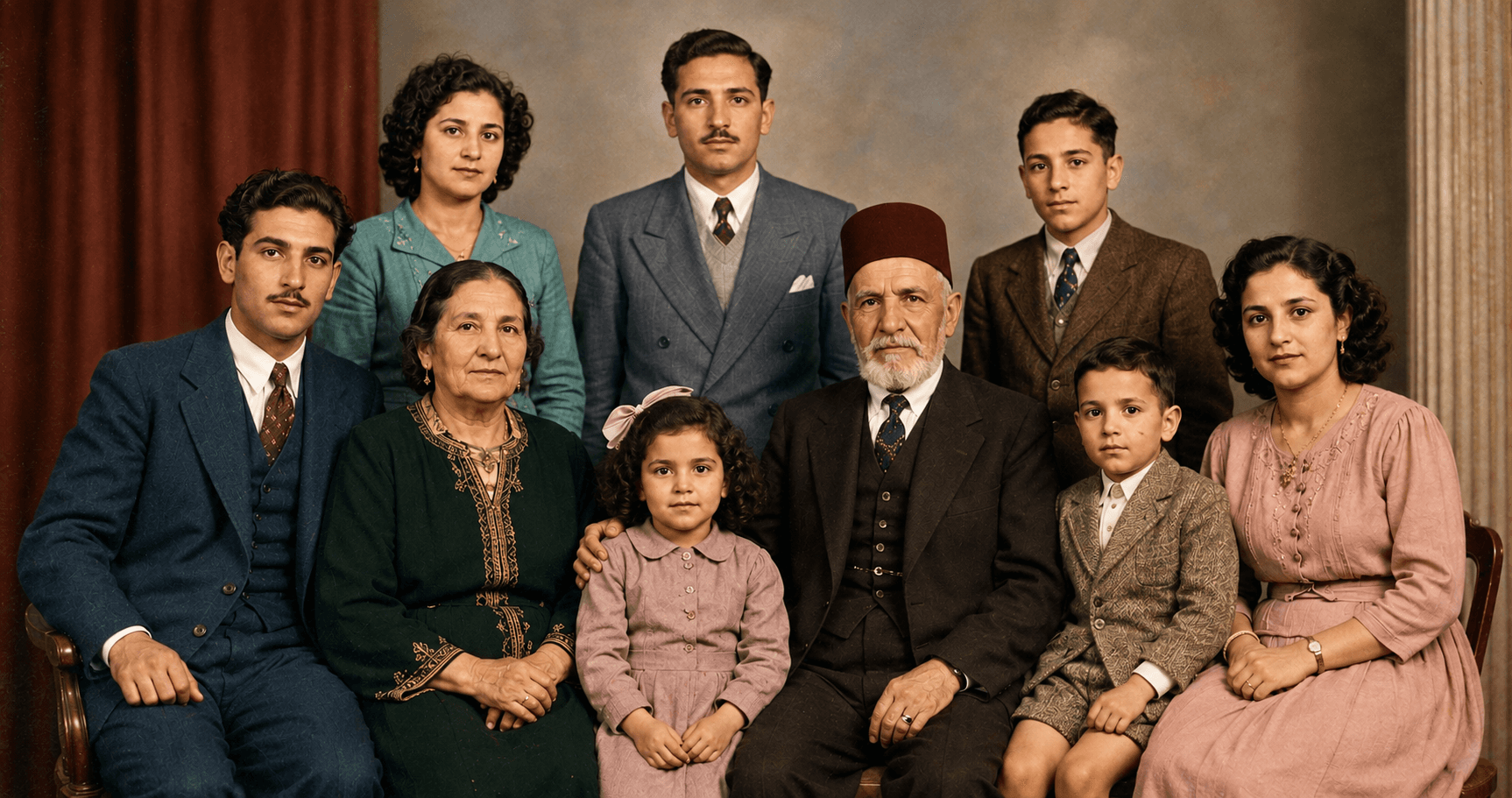
A user uploads a photograph that may be decades old. The original remains visible, Ktabi processes it, and the restored version appears for immediate comparison.
The interaction communicates something carefully: the original photograph hasn’t been replaced. It has been preserved.
007 · Building the archive
Names, places, dates, relationships, and small stories are part of the archive. A file called IMG_0048.jpg becomes: Casablanca, 1978. My parents shortly after they met.
That transformation is just as important as restoring the pixels.
008 · The physical product
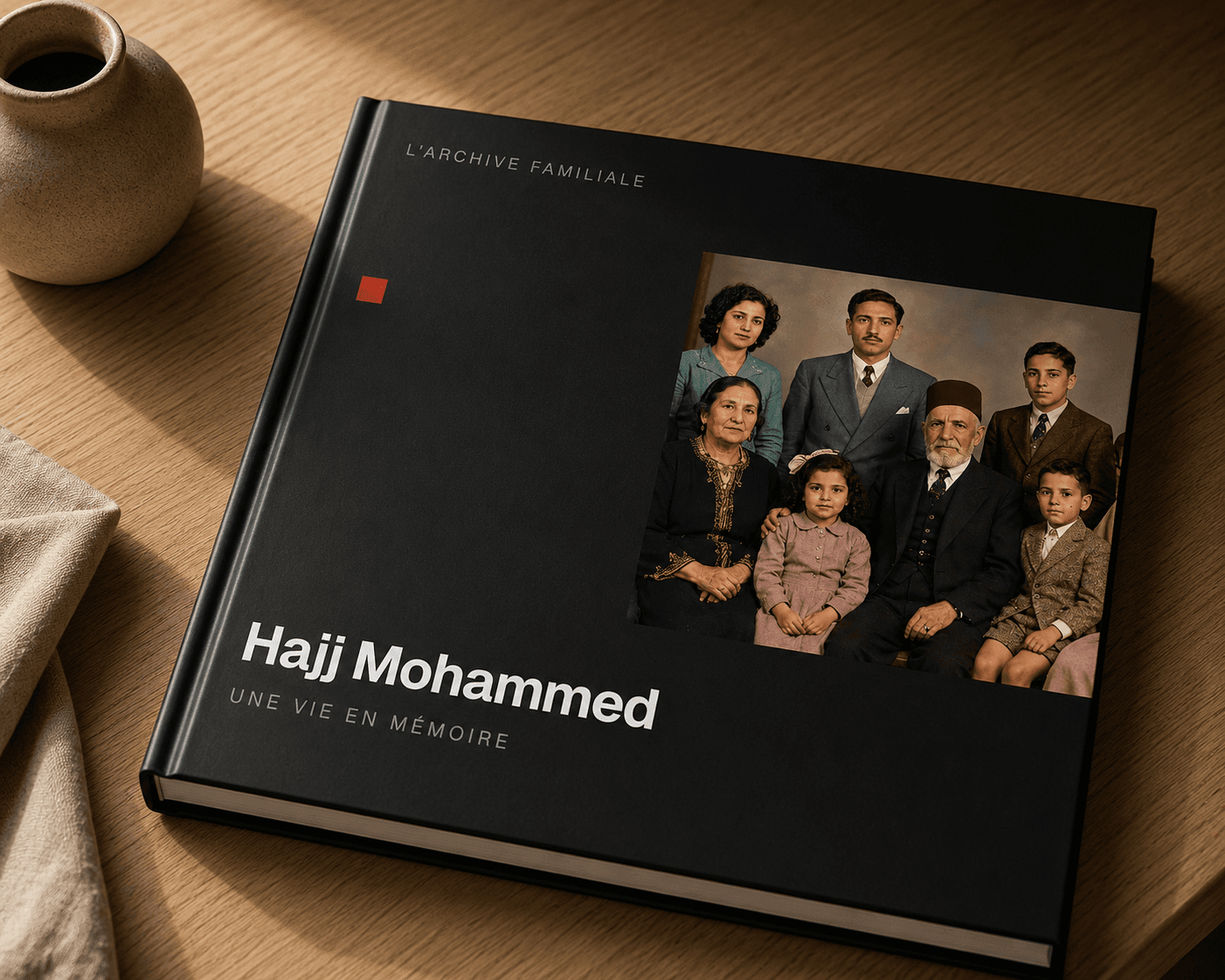
After restoring and organizing photographs, customers transform the archive into a personalized hardcover book. The cover uses their imagery and title; inside, photographs live beside the stories that explain them.
The digital product handles the difficult work. The final experience is tactile—and can be passed to another generation.
009 · Designing for emotion
Ktabi needed to optimize for meaning. Uploading should be effortless and restoration immediate, but discovering an old photograph should never feel transactional.
Warm. Quiet. Personal. Physical. It should feel like opening a family drawer, not software storing files.
010 · What was delivered
001
Designed as one connected part of the end-to-end Ktabi experience.
002
Designed as one connected part of the end-to-end Ktabi experience.
003
Designed as one connected part of the end-to-end Ktabi experience.
004
Designed as one connected part of the end-to-end Ktabi experience.
005
Designed as one connected part of the end-to-end Ktabi experience.
006
Designed as one connected part of the end-to-end Ktabi experience.
007
Designed as one connected part of the end-to-end Ktabi experience.
008
Designed as one connected part of the end-to-end Ktabi experience.
011 · The complete journey
Open the box. Choose the photographs. Upload them. Restore them. Ask your parents about the people you don’t recognize. Write down the stories. Organize the memories. Create the book. Print it. Give it back to the family.
The box becomes a story.
012 · Product philosophy
Ktabi uses some of the newest image technology to solve a very old human problem: memory disappears. Technology makes the process possible, but technology isn’t what the customer keeps. They keep the memory.
We don’t restore photos. We preserve the people inside them.